Rijksmuseum puts the spotlight on Roman poet's epic / Photo: © ANP/AFP/File

 London
 22 °C
22 °C

 Manchester
 16 °C
16 °C
 Glasgow
 18 °C
18 °C
 Dublin
16 °C
Dublin
16 °C
 Belfast
 16 °C
16 °C
 Washington
29 °C
Washington
29 °C
 Denver
38 °C
Denver
38 °C
 Atlanta
33 °C
Atlanta
33 °C
 Dallas
 38 °C
38 °C
 Houston Texas
36 °C
Houston Texas
36 °C
 New Orleans
35 °C
New Orleans
35 °C
 El Paso
36 °C
El Paso
36 °C
 Phoenix
41 °C
Phoenix
41 °C
 Los Angeles
29 °C
San Diego
29 °C
San Francisco
18 °C
Chicago
33 °C
Minneapolis
37 °C
Seattle
22 °C
Portland
24 °C
Salt Lake City
38 °C
Las Vegas
43 °C
Miami
Los Angeles
29 °C
San Diego
29 °C
San Francisco
18 °C
Chicago
33 °C
Minneapolis
37 °C
Seattle
22 °C
Portland
24 °C
Salt Lake City
38 °C
Las Vegas
43 °C
Miami
 33 °C
Jacksonville
35 °C
San Antonio
34 °C
Bermuda
29 °C
Nassau
27 °C
Iqaluit
4 °C
Yellowknife
16 °C
Anchorage
18 °C
Fairbanks
17 °C
Barrow
1 °C
Calgary
28 °C
Edmonton
33 °C
Winnipeg
34 °C
Goose Bay
25 °C
Halifax
22 °C
Boston
24 °C
Ottawa
29 °C
Toronto
28 °C
Detroit
29 °C
Cleveland
28 °C
New York
29 °C
Baltimore
28 °C
Philadelphia
30 °C
Nuuk (Godthåb)
12 °C
Hong Kong
33 °C
Jacksonville
35 °C
San Antonio
34 °C
Bermuda
29 °C
Nassau
27 °C
Iqaluit
4 °C
Yellowknife
16 °C
Anchorage
18 °C
Fairbanks
17 °C
Barrow
1 °C
Calgary
28 °C
Edmonton
33 °C
Winnipeg
34 °C
Goose Bay
25 °C
Halifax
22 °C
Boston
24 °C
Ottawa
29 °C
Toronto
28 °C
Detroit
29 °C
Cleveland
28 °C
New York
29 °C
Baltimore
28 °C
Philadelphia
30 °C
Nuuk (Godthåb)
12 °C
Hong Kong
 26 °C
Singapore
28 °C
Melbourne
31 °C
Canberra
5 °C
Adelaide
8 °C
Darwin
20 °C
Perth
12 °C
Fort Worth
37 °C
Honolulu
27 °C
Sydney
9 °C
Johannesburg
26 °C
Singapore
28 °C
Melbourne
31 °C
Canberra
5 °C
Adelaide
8 °C
Darwin
20 °C
Perth
12 °C
Fort Worth
37 °C
Honolulu
27 °C
Sydney
9 °C
Johannesburg
 12 °C
Dubai
33 °C
Mumbai
28 °C
Zürich
23 °C
Tokyo
25 °C
Seoul
26 °C
Delhi
34 °C
Beijing
26 °C
Riyadh
34 °C
Prague
24 °C
Pennsylvania
28 °C
Valletta
28 °C
Manama
33 °C
Warsaw
24 °C
Stockholm
17 °C
12 °C
Dubai
33 °C
Mumbai
28 °C
Zürich
23 °C
Tokyo
25 °C
Seoul
26 °C
Delhi
34 °C
Beijing
26 °C
Riyadh
34 °C
Prague
24 °C
Pennsylvania
28 °C
Valletta
28 °C
Manama
33 °C
Warsaw
24 °C
Stockholm
17 °C
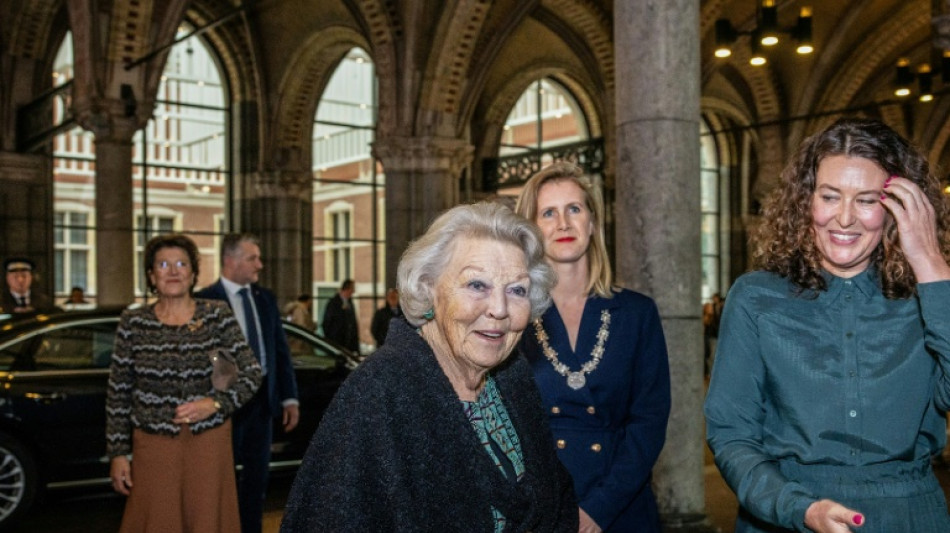
Amsterdam's Rijksmuseum on Friday opens the biggest exhibition ever devoted to art inspired by "Metamorphoses", Roman poet Ovid's most famous work, featuring contributions from artists as varied as Caravaggio, Magritte and Bernini.
Ovid's epic poem, written more than 2,000 years ago, has been the source for countless Roman, Greek and modern era paintings, statues and literary works.
More than 80 of them -- from more than 50 museums around the world -- have been assembled by the Rijksmuseum and the Borghese gallery in Rome for this exhibition.
The exhibition, said the museum, would reveal the work's "passion, desire, lust, jealousy and cunning".
"Everybody to whom we said we want to make an exhibition about "Metamorphoses" was immediately enthusiastic, because it's a theme that has inspired artists over so many centuries, and there was never really an exhibition about it," Rijksmuseum director Taco Dibbits told AFP.
There are paintings from Italian master Caravaggio and the Belgian Surrealist Rene Magritte, while a 17th-century marble sculpture, Bernini's Sleeping Hermaphroditus, is one of the centrepieces.
Ovid's 15-book "Metamorphoses" tells the story of the world from its creation until the death of Emperor Julius Caesar through myths.
The Sleeping Hermaphroditus tells how nymph Salmacis falls in love with Hermaphroditus and implores the gods to unite the two. Their bodies become one, both man and woman.
"It's a very modern idea in itself, with its fluidity of gender," said Frits Scholten, head of sculpture at the the Rijksmuseum.
"But at the same time, it's very ancient, which makes it all the more relevant."
- 'Universal' theme -
Modern readers may find "Metamorphoses" somewhat impenetrable, Scholten conceded. But it still inspires art even after more than 2,000 years.
"The theme is universal," he argued.
"You find it in games, you find it in modern art, you find it everywhere, people are constantly inspired, it's like with fairy tales, and these are the fairy tales -- to a certain extent -- of the ancient period."
The figure of Medusa, represented in the exhibition by works dating from the 16th to the 21st century are shown in the exhibition.
Long presented as an evil symbol, Medusa, raped by the god Poseidon and whose eyes have the power to petrify anyone who meets her gaze, has been reclaimed in recent decades as a feminist symbol.
The exhibition has different forms of Medusa "to show that each generation uses its own, takes the motifs from Ovid, from the Metamorphoses, for its own use," said Scholten.
The exhibition runs until May 25 at the Rijksmuseum before transferring to the Borghese gallery in Rome.
A.Smith--SFF