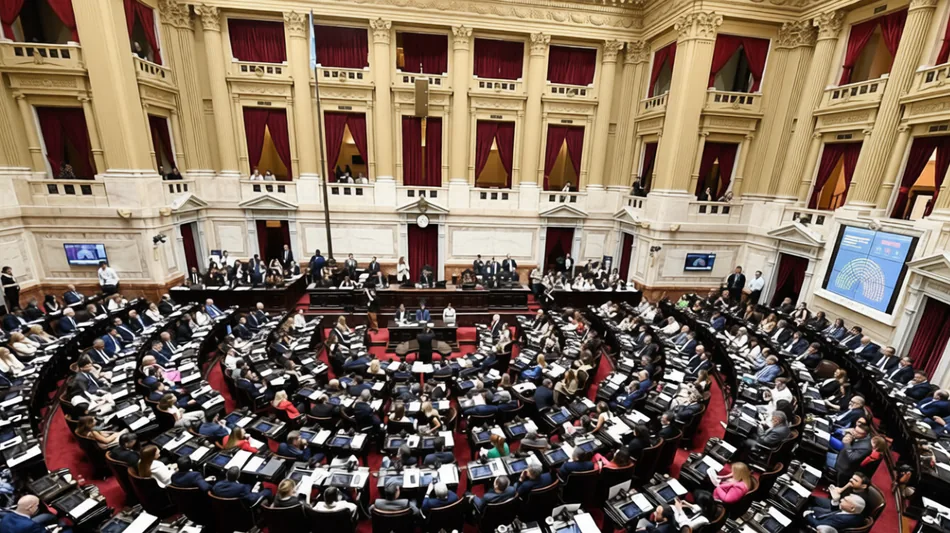
Argentina's Lower House Approves 2027 Budget with Increased University Funding

 London
 4 °C

 Manchester
4 °C
 Glasgow
3 °C
 Dublin
 9 °C
 Belfast
8 °C
 Washington
10 °C
 Denver
11 °C
 Atlanta
5 °C
 Dallas
10 °C
 Houston Texas
 11 °C
 New Orleans
9 °C
 El Paso
4 °C
 Phoenix
14 °C
 Los Angeles
19 °C
San Diego
16 °C
San Francisco
 11 °C
Chicago
4 °C
Minneapolis
-1 °C
Seattle
 9 °C
Portland
 11 °C
Salt Lake City
4 °C
Las Vegas
9 °C
Miami
22 °C
Jacksonville
12 °C
San Antonio
9 °C
Bermuda
26 °C
Nassau
13 °C
Iqaluit
 -16 °C
Yellowknife
-9 °C
Anchorage
-4 °C
Fairbanks
 -12 °C
Barrow
-8 °C
Calgary
6 °C
Edmonton
4 °C
Winnipeg
0 °C
Goose Bay
2 °C
Halifax
13 °C
Boston
10 °C
Ottawa
 3 °C
Toronto
4 °C
Detroit
4 °C
Cleveland
3 °C
New York
13 °C
Baltimore
11 °C
Philadelphia
12 °C
Nuuk (Godthåb)
-7 °C
Hong Kong
22 °C
Singapore
28 °C
Melbourne
18 °C
Canberra
 18 °C
Adelaide
20 °C
Darwin
28 °C
Perth
18 °C
Fort Worth
9 °C
Honolulu
 19 °C
Sydney
22 °C
Johannesburg
25 °C
Dubai
28 °C
Mumbai
29 °C
Zürich
2 °C
Tokyo
13 °C
Seoul
10 °C
Delhi
16 °C
Beijing
-1 °C
Riyadh
23 °C
Prague
-1 °C
Pennsylvania
8 °C
Valletta
20 °C
Manama
26 °C
Warsaw
0 °C
Stockholm
0 °C
Argentina's lower house of Congress has approved the 2027 national budget bill with 137 votes in favor, marking a significant legislative victory for President Javier Milei’s administration. The approval comes after a marathon session that saw deputies reject the government's initial university funding proposal in favor of a higher allocation. The bill now moves to the Senate, where it must be enacted before December 31 to prevent an automatic extension of the current year's budget.
The Argentine Chamber of Deputies approved the 2027 national budget bill in the early hours of Friday, concluding a marathon legislative session that began at noon on Thursday. The approval, secured with 137 votes in favor and 111 against, represents a critical victory for President Javier Milei’s administration as it seeks to finalize its fiscal agenda during the final year of its term.
The passage of the bill was contingent upon several concessions made by ruling-party deputies to secure sufficient support from opposition blocs. Most notably, legislators rejected the government's initial proposal to allocate US$4.8 billion to the public university sector and instead approved a chapter granting US$6.8 billion. This higher figure aligns with the requests submitted by the National Inter-University Council and is intended to offset funding cuts the sector has endured in recent years.
The additional resources also extend to the science sector, which has faced significant reductions under Milei’s austerity measures. The government has continued to refuse compliance with a 2025 law mandating increased financial support for public universities, making this legislative compromise essential for the bill's passage.
Securing the 2027 budget is a top priority for the administration, as it covers the final year of Milei’s presidency ahead of upcoming presidential elections. Alberto "Bertie" Benegas Lynch, a deputy from the ruling La Libertad Avanza (LLA) party, emphasized the bill's core principles during the debate.
"The budget bill has three pillars: zero deficit, which is non-negotiable; a smaller state; and economic predictability," Benegas Lynch said. "This would be the first time in Argentine history that we have had four consecutive years of financial surplus."
Opposition deputies challenged these assertions. Germán Martínez, a Peronist deputy, argued that the bill required greater detail regarding the funding mechanisms for pensions and disability programs. Nicolás Massot, representing the right-wing Encuentro Federal bloc, denied the existence of a financial surplus, characterizing the government's figures as "creative accounting."
"We cannot continue to tolerate them making up figures," Massot said.
The approval in the lower house is only the first step in the legislative process. The bill must now pass the Senate before December 31 to take effect. Failure to meet this deadline would force the government to extend the 2026 budget, which included significant funding cuts for public universities and the science sector.
Thursday was a particularly busy day in Congress, with proceedings extending into the early hours of Friday in both chambers as lawmakers rushed to debate legislation before ordinary sessions end on November 30. However, the government is expected to call extraordinary sessions to secure final approval of the budget and advance its electoral reform, which passed the Senate on Thursday. The main goal of this reform is to suspend next year’s primary elections.
In addition to the budget, deputies gave final approval to amendments to the Central Bank’s charter. The bill became law with 141 votes in favor and 99 abstentions. The reforms seek to prohibit the Central Bank from financing government spending, a measure designed to prevent future inflationary spikes.
Meanwhile, senators unanimously approved a bill to combat compulsive gambling. The legislation, which had cleared the Lower House in 2024, bans all forms of advertising for online gambling, including sponsorship deals with sports teams, and establishes stricter age-verification controls to prevent minors from participating.
Senators also rejected a bill that would have provided financial assistance and tax breaks to small and medium-sized businesses facing closure. In other legislative actions, the upper house approved a six-month extension of the Journalists’ Statute, a 1946 law establishing a special labor framework for media professionals. The statute is scheduled to be repealed on January 1 under Milei’s labor reform, which Congress approved last February; the extension must now be approved by the Chamber of Deputies.
N.Flores--SFF