Bangladesh Completes Legal Process for Hasina’s Extradition from India

 London
 10 °C

 Manchester
 8 °C
 Glasgow
6 °C
 Dublin
9 °C
 Belfast
8 °C
 Washington
7 °C
 Denver
4 °C
 Atlanta
 -2 °C
 Dallas
 8 °C
 Houston Texas
11 °C
 New Orleans
12 °C
 El Paso
 12 °C
 Phoenix
 15 °C
 Los Angeles
 15 °C
San Diego
16 °C
San Francisco
13 °C
Chicago
 1 °C
Minneapolis
 -2 °C
Seattle
13 °C
Portland
12 °C
Salt Lake City
4 °C
Las Vegas
11 °C
Miami
16 °C
Jacksonville
 8 °C
San Antonio
14 °C
Bermuda
19 °C
Nassau
5 °C
Iqaluit
 -8 °C
Yellowknife
-1 °C
Anchorage
-4 °C
Fairbanks
-7 °C
Barrow
-10 °C
Calgary
4 °C
Edmonton
0 °C
Winnipeg
1 °C
Goose Bay
3 °C
Halifax
2 °C
Boston
3 °C
Ottawa
2 °C
Toronto
2 °C
Detroit
5 °C
Cleveland
6 °C
New York
6 °C
Baltimore
7 °C
Philadelphia
6 °C
Nuuk (Godthåb)
-2 °C
Hong Kong
23 °C
Singapore
28 °C
Melbourne
14 °C
Canberra
8 °C
Adelaide
13 °C
Darwin
30 °C
Perth
22 °C
Fort Worth
8 °C
Honolulu
23 °C
Sydney
18 °C
Johannesburg
27 °C
Dubai
30 °C
Mumbai
30 °C
Zürich
10 °C
Tokyo
13 °C
Seoul
9 °C
Delhi
27 °C
Beijing
6 °C
Riyadh
23 °C
Prague
5 °C
Pennsylvania
7 °C
Valletta
23 °C
Manama
25 °C
Warsaw
6 °C
Stockholm
6 °C
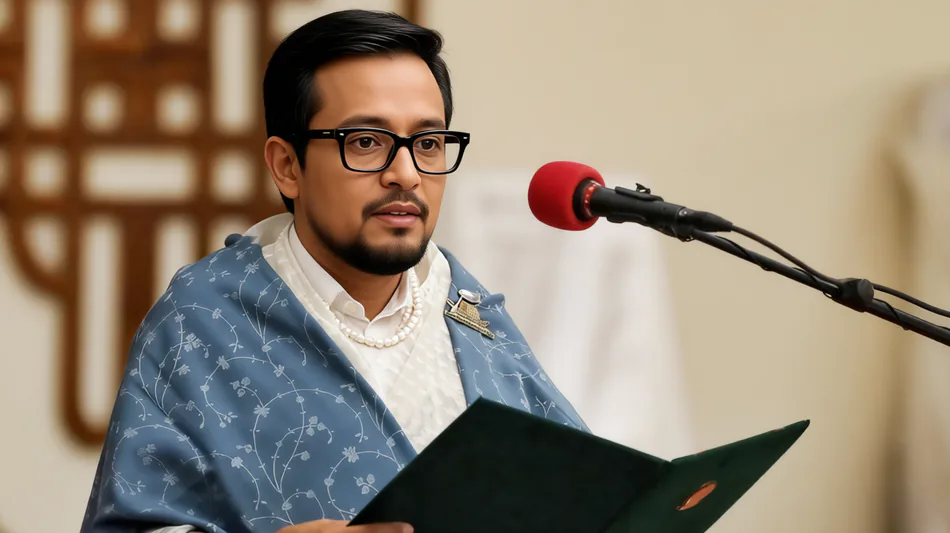
Bangladesh has formally completed its domestic legal requirements to seek the extradition of former Prime Minister Sheikh Hasina from India, according to Law Minister Md Asaduzzaman. The move shifts the decision to New Delhi regarding the return of the ousted leader, who was sentenced to death in absentia for her role in the 2024 crackdown on student-led protests.
Bangladesh has completed all necessary domestic legal procedures to initiate the extradition of former Prime Minister Sheikh Hasina from India, Law Minister Md Asaduzzaman announced on Saturday. The declaration marks a significant procedural milestone in Dhaka’s efforts to bring back the ousted leader, leaving the final decision on her return to the Indian government.
Speaking at the Bangladesh-China Friendship Conference Centre, Asaduzzaman stated that his country had fulfilled every requirement on its end. "What they [India] will do is up to them," he told reporters, according to Prothom Alo. He emphasized that Hasina’s return would be facilitated through the existing extradition treaty between the two nations.
Hasina, 79, has been residing in India since August 5, 2024, when she fled Dhaka aboard a Bangladesh Air Force aircraft. Her departure followed weeks of intense, student-led protests that ultimately ended her 15-year tenure in power. The demonstrations, which began over a controversial government jobs quota system, escalated into a nationwide uprising against her administration.
The legal basis for the extradition request stems from a November 2025 ruling by Bangladesh’s International Crimes Tribunal. In absentia, the tribunal sentenced Hasina to death for crimes against humanity related to her role in the violent suppression of protesters between July 1 and August 15, 2024. A United Nations investigation estimated that up to 1,400 people were killed during this period. Additionally, Hasina received a life imprisonment sentence on a separate charge.
When questioned about the possibility of Hasina appealing her death sentence, Asaduzzaman clarified that the Appellate Division of Bangladesh’s Supreme Court lacks the legal authority to extend appeal deadlines in crimes against humanity cases. "The Appellate Division has no legal provision to condone delays in such cases because the special law does not allow it," he said, according to Bdnews24. He noted that this restriction was established by the law itself, which the court had previously enacted.
Hasina has consistently rejected the allegations against her and challenged the legitimacy of the judicial proceedings. Prior to these developments, she told Reuters that she intended to return to Bangladesh in December to surrender to a court.
Bangladesh first formally requested Hasina’s extradition in December 2024, shortly after she fled the country. The request was renewed in November 2025 following the death sentence. India confirmed receipt of the initial request on December 23, 2024, but has declined to comment on whether it will agree to the extradition.
Diplomatic channels have been actively engaged in the matter. Foreign Minister Khalilur Rahman raised the issue during a bilateral meeting in April, according to a Bangladeshi foreign ministry official cited by The Daily Star. Indian foreign ministry spokesperson Randhir Jaiswal stated that New Delhi was examining the request and would "continue to engage constructively on the issue with all stakeholders."
Complicating the extradition effort, a recent attempt to secure new travel documents for Hasina was rejected by the Bangladeshi government. On November 9, London-based Matrix Chambers contacted the Bangladesh High Commission in New Delhi to request a new passport and national identity card for the former prime minister. Dhaka insisted that she must be returned through the formal extradition treaty rather than as an ordinary traveler.
Further diplomatic discussions have been delayed. The fifth round of consular talks between India and Bangladesh, scheduled for November 17 and 18 in Dhaka, has been postponed at India’s request due to time constraints. The agenda included visa arrangements, border management, repatriation of detained nationals, and extradition requests. Bangladesh had hoped to discuss Hasina’s return as well as the handover of her former home minister, Asaduzzaman Khan Kamal.
Both sides have agreed to defer the talks, leaving the status of Hasina’s potential return in legal and diplomatic limbo while New Delhi considers its options.
D.Brown--SFF