Trump Signals Willingness to Cooperate with Democrats After Midterm Loss

 London
 10 °C

 Manchester
12 °C
 Glasgow
9 °C
 Dublin
11 °C
 Belfast
 11 °C
 Washington
 12 °C
 Denver
 3 °C
 Atlanta
18 °C
 Dallas
 13 °C
 Houston Texas
 16 °C
 New Orleans
23 °C
 El Paso
9 °C
 Phoenix
17 °C
 Los Angeles
15 °C
San Diego
18 °C
San Francisco
13 °C
Chicago
18 °C
Minneapolis
11 °C
Seattle
5 °C
Portland
8 °C
Salt Lake City
5 °C
Las Vegas
12 °C
Miami
24 °C
Jacksonville
21 °C
San Antonio
14 °C
Bermuda
23 °C
Nassau
12 °C
Iqaluit
-3 °C
Yellowknife
-5 °C
Anchorage
 2 °C
Fairbanks
-10 °C
Barrow
-3 °C
Calgary
0 °C
Edmonton
 18 °C
Winnipeg
3 °C
Goose Bay
16 °C
Halifax
12 °C
Boston
13 °C
Ottawa
13 °C
Toronto
12 °C
Detroit
19 °C
Cleveland
18 °C
New York
13 °C
Baltimore
11 °C
Philadelphia
12 °C
Nuuk (Godthåb)
-1 °C
Hong Kong
27 °C
Singapore
30 °C
Melbourne
25 °C
Canberra
13 °C
Adelaide
15 °C
Darwin
31 °C
Perth
 21 °C
Fort Worth
12 °C
Honolulu
23 °C
Sydney
20 °C
Johannesburg
30 °C
Dubai
 33 °C
Mumbai
33 °C
Zürich
6 °C
Tokyo
13 °C
Seoul
13 °C
Delhi
29 °C
Beijing
8 °C
Riyadh
33 °C
Prague
8 °C
Pennsylvania
10 °C
Valletta
22 °C
Manama
32 °C
Warsaw
9 °C
Stockholm
10 °C
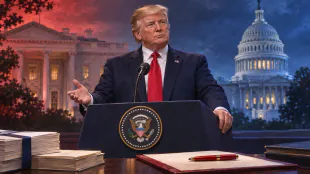
President Donald Trump has signaled a willingness to work with Democrats after Republicans lost control of Congress in the midterm elections. While offering collaboration to ensure government functionality, Trump simultaneously highlighted his remaining veto power and attributed the Republican defeat to voter dissatisfaction rather than a personal referendum on his presidency.
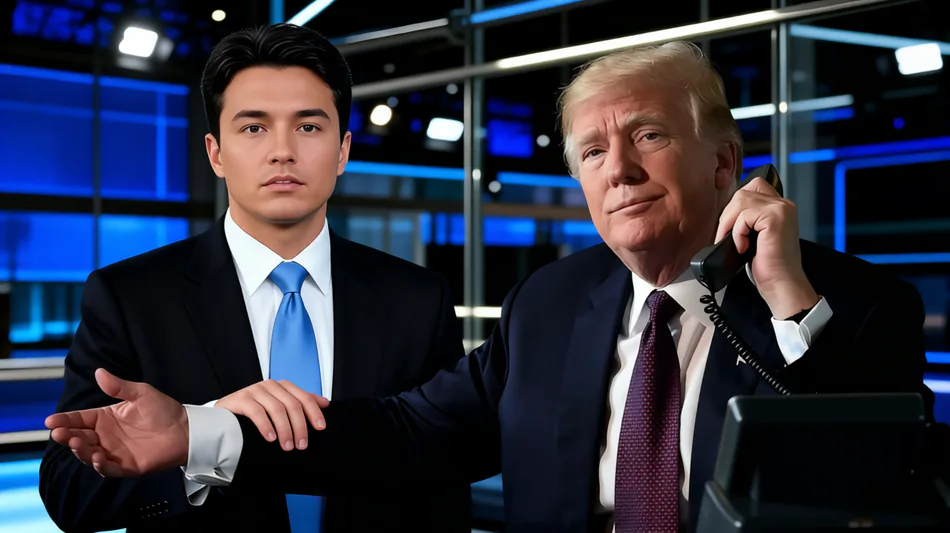
President Donald Trump has indicated an openness to collaborating with Democrats following the Republican Party’s defeat in the midterm elections, which stripped him of his legislative majorities in both the House and Senate. In a conversation with Politico journalist Dasha Burns on election night, Trump stated he does not intend to simply block every Democratic proposal during the remaining two years of his term.
The Democrats secured control of both chambers, marking the first nationwide political test since Trump’s return to the White House. This shift ends the Republican dominance that supported the first half of his second term. Despite the loss, Trump did not dispute the results and congratulated the Democrats on their performance. He emphasized the need for cooperation to ensure the government functions effectively, noting he had already spoken with leading Democratic figures.
Trump sought to distance his political standing from the election outcome, asserting that he was not directly on the ballot. He attributed the Republican losses to voters finding the party’s candidates unconvincing and cited high living costs, dissatisfaction with political leadership, and the impact of the war with Iran as key factors. While acknowledging the war may have influenced the results, he rejected the notion that the midterms served as a personal referendum on his presidency.
This post-election stance contrasts with his campaign strategy, where he urged supporters to treat the vote as a judgment on his leadership. However, Trump avoided public criticism of Republican colleagues, urging the party to analyze the results and reunite. His offer of cooperation was tempered by a clear reminder of executive power: he retains a strong veto authority and will use it against congressional bills he deems unacceptable.
Although Trump previously threatened to be a consistent blocker under Democratic control, his post-election rhetoric has been more restrained. He stated he does not wish to spend two years vetoing everything. Nevertheless, the new balance of power necessitates negotiations for any legislation. While Congress can override a veto with a two-thirds majority in both chambers, Democrats are not expected to hold that threshold immediately.
This dynamic grants Trump significant leverage to halt Democratic initiatives. Conversely, the new congressional majorities gain the ability to control the legislative agenda, launch investigations, and increase political pressure on the administration. Key areas such as the budget, immigration, trade, and domestic reforms will require compromise to avoid prolonged government blockades.
It remains unclear whether Trump’s conciliatory remarks will lead to a lasting working relationship. The President maintains control over the executive branch and core foreign policy areas, while Democrats dictate the parliamentary agenda. Upcoming negotiations over budgets and legislation will determine if both sides seek compromises or engage in mutual obstruction.
V.Mitchell--SFF