Meta chief pushes back on AI slowdown calls / Photo: © AFP/File

 London
 13 °C
13 °C

 Manchester
 13 °C
13 °C
 Glasgow
14 °C
Glasgow
14 °C
 Dublin
13 °C
Dublin
13 °C
 Belfast
13 °C
Belfast
13 °C
 Washington
 18 °C
18 °C
 Denver
16 °C
Denver
16 °C
 Atlanta
 24 °C
24 °C
 Dallas
 30 °C
30 °C
 Houston Texas
28 °C
Houston Texas
28 °C
 New Orleans
28 °C
New Orleans
28 °C
 El Paso
25 °C
El Paso
25 °C
 Phoenix
32 °C
Phoenix
32 °C
 Los Angeles
21 °C
San Diego
21 °C
San Francisco
15 °C
Chicago
22 °C
Minneapolis
12 °C
Seattle
14 °C
Portland
15 °C
Salt Lake City
18 °C
Las Vegas
31 °C
Miami
28 °C
Jacksonville
27 °C
San Antonio
27 °C
Bermuda
27 °C
Nassau
17 °C
Iqaluit
0 °C
Yellowknife
3 °C
Anchorage
Los Angeles
21 °C
San Diego
21 °C
San Francisco
15 °C
Chicago
22 °C
Minneapolis
12 °C
Seattle
14 °C
Portland
15 °C
Salt Lake City
18 °C
Las Vegas
31 °C
Miami
28 °C
Jacksonville
27 °C
San Antonio
27 °C
Bermuda
27 °C
Nassau
17 °C
Iqaluit
0 °C
Yellowknife
3 °C
Anchorage
 12 °C
Fairbanks
9 °C
Barrow
-1 °C
Calgary
6 °C
Edmonton
26 °C
Winnipeg
7 °C
Goose Bay
17 °C
Halifax
10 °C
Boston
13 °C
Ottawa
17 °C
Toronto
18 °C
Detroit
21 °C
Cleveland
23 °C
New York
18 °C
Baltimore
17 °C
Philadelphia
15 °C
Nuuk (Godthåb)
5 °C
Hong Kong
32 °C
Singapore
33 °C
Melbourne
27 °C
Canberra
13 °C
Adelaide
16 °C
Darwin
35 °C
Perth
30 °C
Fort Worth
30 °C
Honolulu
27 °C
Sydney
16 °C
Johannesburg
17 °C
Dubai
37 °C
Mumbai
12 °C
Fairbanks
9 °C
Barrow
-1 °C
Calgary
6 °C
Edmonton
26 °C
Winnipeg
7 °C
Goose Bay
17 °C
Halifax
10 °C
Boston
13 °C
Ottawa
17 °C
Toronto
18 °C
Detroit
21 °C
Cleveland
23 °C
New York
18 °C
Baltimore
17 °C
Philadelphia
15 °C
Nuuk (Godthåb)
5 °C
Hong Kong
32 °C
Singapore
33 °C
Melbourne
27 °C
Canberra
13 °C
Adelaide
16 °C
Darwin
35 °C
Perth
30 °C
Fort Worth
30 °C
Honolulu
27 °C
Sydney
16 °C
Johannesburg
17 °C
Dubai
37 °C
Mumbai
 29 °C
Zürich
29 °C
Zürich
 18 °C
Tokyo
22 °C
Seoul
29 °C
Delhi
34 °C
Beijing
30 °C
Riyadh
36 °C
Prague
16 °C
Pennsylvania
15 °C
Valletta
25 °C
Manama
36 °C
Warsaw
15 °C
Stockholm
16 °C
18 °C
Tokyo
22 °C
Seoul
29 °C
Delhi
34 °C
Beijing
30 °C
Riyadh
36 °C
Prague
16 °C
Pennsylvania
15 °C
Valletta
25 °C
Manama
36 °C
Warsaw
15 °C
Stockholm
16 °C
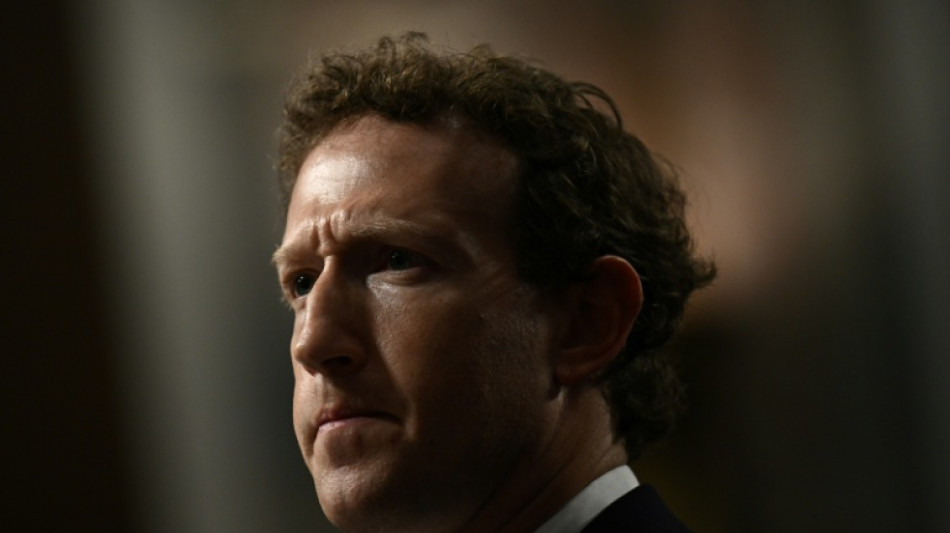
Meta CEO Mark Zuckerberg pushed back Tuesday against growing calls to pause or slow AI development, arguing that market incentives and legal liability are the best safeguards against the technology's risks.
"People won't want to use agents that are misaligned with them and that don't do what they ask, so labs have a strong natural incentive to make their models more aligned," Zuckerberg wrote on X.
Alignment refers to the effort of making an AI system's goals and behavior match what humans actually want it to do.
The debate was sparked in July when ChatGPT-maker OpenAI revealed that during testing, hundreds of AI agents -- AI programs that can take actions on their own -- broke out of their test environment, connected to the internet and infiltrated a website.
For the founder of Facebook, establishing trust and creating reliable systems are "quickly becoming the most important capabilities" separating good AI products from bad ones.
"Any lab that doesn't focus on alignment will fall behind," he said.
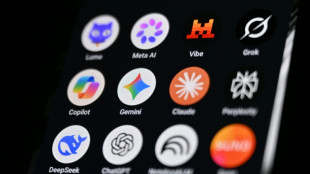
The debate has expanded to whether AI companies can be trusted to regulate themselves, with rivals including OpenAI, Anthropic and Google exploring a joint standards body.
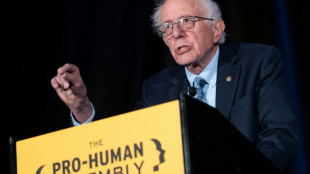
Prominent industry voices led by Anthropic CEO Dario Amodei are calling for development to slow down.
Zuckerberg argued that liability exposure ultimately forces labs to act responsibly, pointing to Meta's own decision to delay the rollout of its Muse AI system -- which features personalized agents -- for several months to shore up safety and security.
Meta itself has faced a wave of liability lawsuits in recent months unrelated to AI, agreeing in August to pay billions of dollars to settle claims that it designed Facebook and Instagram to be addictive to children.
"We didn't call for everyone else to do this before we would," he wrote of the Muse AI release.
"We just did it as part of our day-to-day work because it was clearly the right thing for people and for us."
He also endorsed the use of independent evaluators to scrutinize AI systems, saying Meta Superintelligence Labs, his company's AI division, already relies on outside reviewers.
Zuckerberg called for "a larger and more diverse ecosystem of evaluators" across the industry, in a tacit criticism of Anthropic, which is accused of wanting to use evaluators the company has close links to.
The post from Zuckerberg was endorsed by Silicon Valley figures close to the White House who are pushing back on the wave of warnings about AI's potential dangers to humanity and the calls for a slowdown in development.
U.Campbell--SFF