Trump says US 'taking over' Hormuz as fighting with Iran flares / Photo: © AFP

 London
 13 °C
13 °C

 Manchester
11 °C
Manchester
11 °C
 Glasgow
11 °C
Glasgow
11 °C
 Dublin
 13 °C
13 °C
 Belfast
12 °C
Belfast
12 °C
 Washington
 18 °C
18 °C
 Denver
25 °C
Denver
25 °C
 Atlanta
19 °C
Atlanta
19 °C
 Dallas
30 °C
Dallas
30 °C
 Houston Texas
 32 °C
32 °C
 New Orleans
 29 °C
29 °C
 El Paso
27 °C
El Paso
27 °C
 Phoenix
28 °C
Phoenix
28 °C
 Los Angeles
21 °C
San Diego
19 °C
San Francisco
17 °C
Chicago
23 °C
Minneapolis
28 °C
Seattle
12 °C
Portland
11 °C
Salt Lake City
17 °C
Las Vegas
22 °C
Miami
Los Angeles
21 °C
San Diego
19 °C
San Francisco
17 °C
Chicago
23 °C
Minneapolis
28 °C
Seattle
12 °C
Portland
11 °C
Salt Lake City
17 °C
Las Vegas
22 °C
Miami
 33 °C
Jacksonville
27 °C
San Antonio
30 °C
Bermuda
27 °C
Nassau
15 °C
Iqaluit
-4 °C
Yellowknife
5 °C
Anchorage
6 °C
Fairbanks
2 °C
Barrow
-3 °C
Calgary
33 °C
Jacksonville
27 °C
San Antonio
30 °C
Bermuda
27 °C
Nassau
15 °C
Iqaluit
-4 °C
Yellowknife
5 °C
Anchorage
6 °C
Fairbanks
2 °C
Barrow
-3 °C
Calgary
 0 °C
Edmonton
15 °C
Winnipeg
7 °C
Goose Bay
18 °C
Halifax
15 °C
Boston
15 °C
Ottawa
20 °C
Toronto
16 °C
Detroit
16 °C
Cleveland
17 °C
New York
15 °C
Baltimore
18 °C
Philadelphia
17 °C
Nuuk (Godthåb)
0 °C
Hong Kong
0 °C
Edmonton
15 °C
Winnipeg
7 °C
Goose Bay
18 °C
Halifax
15 °C
Boston
15 °C
Ottawa
20 °C
Toronto
16 °C
Detroit
16 °C
Cleveland
17 °C
New York
15 °C
Baltimore
18 °C
Philadelphia
17 °C
Nuuk (Godthåb)
0 °C
Hong Kong
 27 °C
Singapore
29 °C
Melbourne
29 °C
Canberra
27 °C
Singapore
29 °C
Melbourne
29 °C
Canberra
 8 °C
Adelaide
14 °C
Darwin
26 °C
Perth
12 °C
Fort Worth
30 °C
Honolulu
24 °C
Sydney
8 °C
Adelaide
14 °C
Darwin
26 °C
Perth
12 °C
Fort Worth
30 °C
Honolulu
24 °C
Sydney
 17 °C
Johannesburg
22 °C
Dubai
33 °C
Mumbai
33 °C
Zürich
12 °C
Tokyo
19 °C
Seoul
19 °C
Delhi
23 °C
Beijing
16 °C
Riyadh
33 °C
Prague
9 °C
Pennsylvania
14 °C
Valletta
23 °C
Manama
33 °C
Warsaw
10 °C
Stockholm
8 °C
17 °C
Johannesburg
22 °C
Dubai
33 °C
Mumbai
33 °C
Zürich
12 °C
Tokyo
19 °C
Seoul
19 °C
Delhi
23 °C
Beijing
16 °C
Riyadh
33 °C
Prague
9 °C
Pennsylvania
14 °C
Valletta
23 °C
Manama
33 °C
Warsaw
10 °C
Stockholm
8 °C
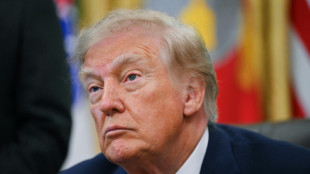
The United States is "taking over" the Strait of Hormuz and will be paid for protecting it, US President Donald Trump declared on Monday, as Washington and Tehran once again fought over the vital waterway.
Iran's military command, however, insisted it would not allow the US to "interfere" in the key conduit for oil and gas, while also warning its Gulf neighbours -- who have borne the brunt of its retaliatory attacks -- against cooperating with Washington.
The competing claims came as the two sides traded attacks of a scale unseen since an April ceasefire. The US military said it hit dozens of targets on Monday, while Iran's Revolutionary Guards announced new strikes in response on Bahrain, Jordan, Kuwait and Oman.
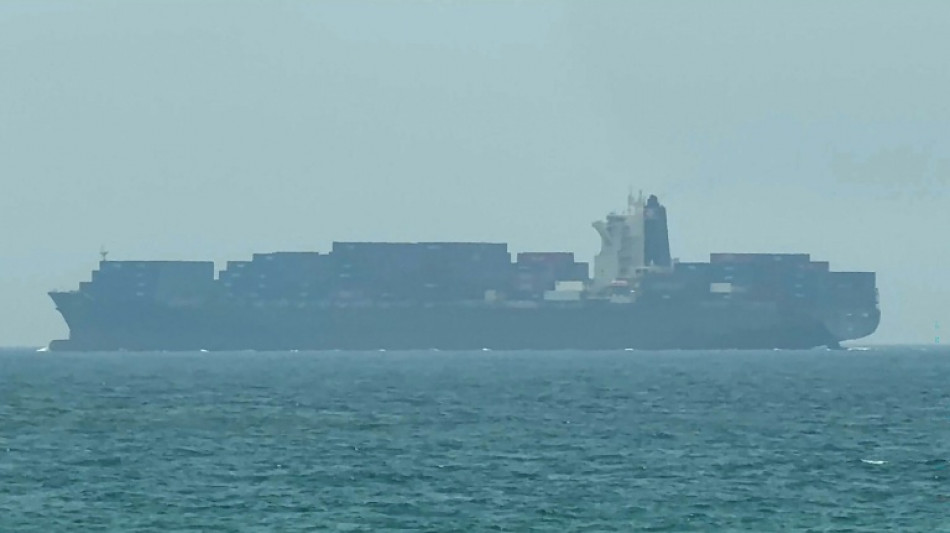
The Strait of Hormuz was not an issue before the United States and Israel began their war with Iran in February, and passage through it was free, but Tehran subsequently blocked the waterway and now sees it as essential leverage over Washington.
"We're taking over the Strait. They have nothing. They've got nothing," Trump said in an interview with Fox.
He said the US would "become the guardian" of Hormuz and "get paid" for doing so.
But the spokesman of Iran's Khatam Al-Anbiya military command countered that Tehran "under no circumstances will allow... the United States to interfere in the management" of the strategic waterway.
Despite last week declaring the ceasefire with Iran over, Trump has said negotiations aimed at finding a permanent settlement would continue. He told Fox that there were hours of talks on Sunday, but accused Iranian negotiators of going back on what they had agreed.
Iran's foreign ministry spokesman Esmaeil Baqaei said that the June memorandum of understanding that formed the basis for the negotiations was "in crisis".
He said Iran would ignore its obligations under the deal if the US did the same, but nonetheless added that Tehran was continuing talks with mediators from Qatar, Pakistan and Oman in an effort to prevent further escalation.
- 'Futile efforts' -
The past week's hostilities have centred on the critical energy trade route, which Iran's Guards say is "closed" but which the United States maintains is open to maritime traffic and not controlled by Iran.
On Monday, spokesman for the Guards Hossein Mohebi accused the US of endangering global oil and gas supplies by interfering in the strait, saying it "must be held accountable" while insisting on Tehran's sovereignty over Hormuz.
Amid the fighting, mediators have been trying to salvage a diplomatic resolution to the war.
Pakistan, a key intermediary in negotiations, expressed "deep concern at escalation in regional tensions", according to its foreign office.
Iran's foreign ministry said the US attacks had "caused the return of insecurity in the Strait of Hormuz" and "rendered futile all efforts" at establishing peace in the region.
But analyst Bader Al-Saif said the escalating attacks would merely delay a permanent agreement.
"Both sides want to end the impasse on their own terms, and they are increasingly finding it difficult to do so. Hence the return to and increase in the scale of attacks," said Al-Saif, an associate fellow at Chatham House.
"That only prolongs what will eventually happen: a negotiated settlement."
- 'Heinous attacks' -
Iranian state media reported deaths in the latest US strikes, which it said targeted large areas across the south and west.
An AFP tally of Iranian announcements put the number of people killed in Iran since the US and Iran resumed strikes on Wednesday at 23.
Iran's Revolutionary Guards said they had struck US military targets and bases in Jordan, Bahrain and Kuwait, state media reported on Monday.
Air raid alerts sounded in Bahrain, while Kuwait's army said the country's forces were intercepting "hostile aerial targets" on Monday.
Jordan's army said it had intercepted four Iranian missiles.
Bahrain's military accused Iran of committing "heinous attacks with missiles and drones that target civilians", adding it had shot down a number of Iranian projectiles Monday morning.
Iran insists that it only targets US interests in the Gulf, but on Monday afternoon, the spokesman for its military command said that any collaboration by Gulf countries with the United States would be considered "an act of war".
burs-dcp/smw
E.Walker--SFF