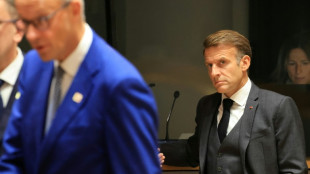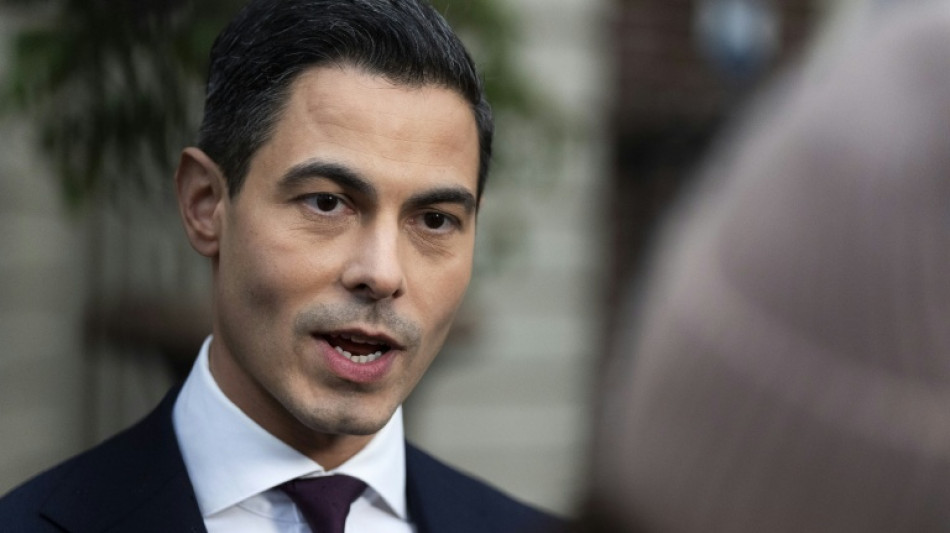
New Dutch government sworn in under centrist Jetten / Photo: © ANP/AFP

 London
 17 °C
17 °C

 Manchester
 11 °C
11 °C
 Glasgow
 13 °C
13 °C
 Dublin
11 °C
Dublin
11 °C
 Belfast
9 °C
Belfast
9 °C
 Washington
17 °C
Washington
17 °C
 Denver
 12 °C
12 °C
 Atlanta
29 °C
Atlanta
29 °C
 Dallas
32 °C
Dallas
32 °C
 Houston Texas
 31 °C
31 °C
 New Orleans
29 °C
New Orleans
29 °C
 El Paso
26 °C
El Paso
26 °C
 Phoenix
31 °C
Phoenix
31 °C
 Los Angeles
32 °C
San Diego
31 °C
San Francisco
28 °C
Chicago
Los Angeles
32 °C
San Diego
31 °C
San Francisco
28 °C
Chicago
 18 °C
Minneapolis
9 °C
Seattle
19 °C
Portland
26 °C
Salt Lake City
17 °C
Las Vegas
27 °C
Miami
18 °C
Minneapolis
9 °C
Seattle
19 °C
Portland
26 °C
Salt Lake City
17 °C
Las Vegas
27 °C
Miami
 30 °C
Jacksonville
28 °C
San Antonio
32 °C
Bermuda
26 °C
Nassau
15 °C
Iqaluit
-2 °C
Yellowknife
8 °C
Anchorage
7 °C
Fairbanks
6 °C
Barrow
-8 °C
Calgary
12 °C
Edmonton
28 °C
Winnipeg
8 °C
Goose Bay
11 °C
Halifax
11 °C
Boston
30 °C
Jacksonville
28 °C
San Antonio
32 °C
Bermuda
26 °C
Nassau
15 °C
Iqaluit
-2 °C
Yellowknife
8 °C
Anchorage
7 °C
Fairbanks
6 °C
Barrow
-8 °C
Calgary
12 °C
Edmonton
28 °C
Winnipeg
8 °C
Goose Bay
11 °C
Halifax
11 °C
Boston
 13 °C
Ottawa
11 °C
Toronto
10 °C
Detroit
15 °C
Cleveland
18 °C
New York
13 °C
Ottawa
11 °C
Toronto
10 °C
Detroit
15 °C
Cleveland
18 °C
New York
 17 °C
Baltimore
17 °C
Philadelphia
18 °C
Nuuk (Godthåb)
1 °C
Hong Kong
25 °C
Singapore
27 °C
Melbourne
29 °C
Canberra
12 °C
Adelaide
18 °C
Darwin
27 °C
Perth
12 °C
Fort Worth
31 °C
Honolulu
28 °C
Sydney
18 °C
Johannesburg
20 °C
Dubai
32 °C
Mumbai
30 °C
Zürich
12 °C
Tokyo
18 °C
Seoul
15 °C
Delhi
21 °C
Beijing
11 °C
Riyadh
29 °C
Prague
9 °C
Pennsylvania
19 °C
Valletta
20 °C
Manama
30 °C
Warsaw
8 °C
Stockholm
12 °C
17 °C
Baltimore
17 °C
Philadelphia
18 °C
Nuuk (Godthåb)
1 °C
Hong Kong
25 °C
Singapore
27 °C
Melbourne
29 °C
Canberra
12 °C
Adelaide
18 °C
Darwin
27 °C
Perth
12 °C
Fort Worth
31 °C
Honolulu
28 °C
Sydney
18 °C
Johannesburg
20 °C
Dubai
32 °C
Mumbai
30 °C
Zürich
12 °C
Tokyo
18 °C
Seoul
15 °C
Delhi
21 °C
Beijing
11 °C
Riyadh
29 °C
Prague
9 °C
Pennsylvania
19 °C
Valletta
20 °C
Manama
30 °C
Warsaw
8 °C
Stockholm
12 °C
A new Dutch government took power on Monday, with 38-year-old centrist Rob Jetten sworn in as the country's youngest-ever prime minister and the first openly gay one.
Jetten pulled off a stunning election win in October, coming from behind to dethrone the far-right Freedom Party (PVV) led by firebrand politician Geert Wilders by a razor-thin margin.
The snap election was called after the PVV withdrew from the previous coalition, the Netherlands' most right-wing government in recent history, which lasted just 11 months.
Jetten's D66 has teamed up with the centre-right CDA party and the liberal VVD to form a coalition, but will fall nine seats short of a parliamentary majority with only 66 seats.
The parties took 117 days to form their coalition -- much less than the 223 days taken to form the previous government.
After his election victory, Jetten declared that it was possible to beat populist movements "if you campaign with a positive message for your country".
On the campaign trail, Jetten said he wanted to "bring the Netherlands back to the heart of Europe because without European cooperation, we are nowhere".
In a manifesto published in January, the three parties pledged full support for Ukraine and vowed to live up to the country's NATO spending commitments.
Although the new government is not as far to the right as the previous one, it still has a "right-wing signature", Sarah de Lange, a professor of politics at Leiden University, told AFP.
"The coalition has opted for budget cuts rather than running a deficit to finance any investments it wants to make" and there is "substantial continuity between the immigration plans of the new government and the previous one", De Lange said.
The parties have pledged to press ahead with a crackdown on migration, including measures such as tougher rules on family reunification.
- Wilders out -
They also want to cut social benefits, including unemployment benefits, to help finance proposed investments in the military and defence.
But since the coalition will rely on support from opposition parties to pass legislation, "getting larger reforms passed by parliament might take longer than usual", De Lange said.
Jetten and his cabinet were sworn in on Monday by King Willem-Alexander at the Huis Ten Bosch in The Hague.
The prime minister was initially more keen on a broad coalition including the left-leaning Groenlinks/PvdA, but this was firmly opposed by VVD leader Dilan Yesilgoz.
Wilders, who shook Europe's political scene to the core with a shock election win in November 2023, saw his fortunes plummet in last year's election.
His PVV party plunged from 37 seats in 2023 to 26 seats after what was widely seen as a lacklustre campaign.
The PVV still finished in second place, but all parties in the coalition had ruled out working with Wilders, leaving him sitting on the sidelines.
Other far-right parties have made inroads in Europe's fifth-largest economy, however.
The Forum for Democracy, led by 28-year-old Lidewij de Vos, gained four seats in the 2025 election with a message against "uncontrolled immigration" and "the hopeless EU".
Hard-right party JA21 also shot up the rankings, gaining eight seats and nearly securing a place at the cabinet table before being blocked by Jetten.
C.Lewis--SFF