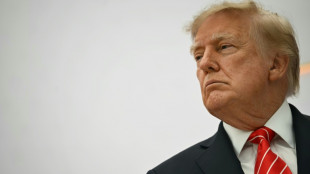
Rubio says US will not accept Iranian tolls on Hormuz / Photo: © POOL/AFP

 London
 11 °C
11 °C

 Manchester
 10 °C
10 °C
 Glasgow
11 °C
Glasgow
11 °C
 Dublin
 9 °C
9 °C
 Belfast
10 °C
Belfast
10 °C
 Washington
 13 °C
13 °C
 Denver
 17 °C
17 °C
 Atlanta
 14 °C
14 °C
 Dallas
22 °C
Dallas
22 °C
 Houston Texas
23 °C
Houston Texas
23 °C
 New Orleans
 21 °C
21 °C
 El Paso
20 °C
El Paso
20 °C
 Phoenix
30 °C
Phoenix
30 °C
 Los Angeles
 21 °C
San Diego
21 °C
San Francisco
15 °C
Chicago
19 °C
Minneapolis
16 °C
Seattle
10 °C
Portland
10 °C
Salt Lake City
22 °C
Las Vegas
26 °C
Miami
27 °C
Jacksonville
24 °C
San Antonio
19 °C
Bermuda
25 °C
Nassau
13 °C
Iqaluit
-4 °C
Yellowknife
1 °C
Anchorage
8 °C
Fairbanks
-3 °C
Barrow
1 °C
Calgary
4 °C
Edmonton
16 °C
Winnipeg
15 °C
Goose Bay
4 °C
Halifax
9 °C
Boston
10 °C
Ottawa
2 °C
Toronto
9 °C
Detroit
15 °C
Cleveland
13 °C
New York
16 °C
Baltimore
11 °C
Philadelphia
14 °C
Nuuk (Godthåb)
0 °C
Hong Kong
29 °C
Singapore
32 °C
Melbourne
28 °C
Canberra
19 °C
Adelaide
19 °C
Darwin
32 °C
Perth
18 °C
Fort Worth
21 °C
Honolulu
26 °C
Sydney
27 °C
Johannesburg
26 °C
Dubai
38 °C
Mumbai
37 °C
Zürich
21 °C
San Diego
21 °C
San Francisco
15 °C
Chicago
19 °C
Minneapolis
16 °C
Seattle
10 °C
Portland
10 °C
Salt Lake City
22 °C
Las Vegas
26 °C
Miami
27 °C
Jacksonville
24 °C
San Antonio
19 °C
Bermuda
25 °C
Nassau
13 °C
Iqaluit
-4 °C
Yellowknife
1 °C
Anchorage
8 °C
Fairbanks
-3 °C
Barrow
1 °C
Calgary
4 °C
Edmonton
16 °C
Winnipeg
15 °C
Goose Bay
4 °C
Halifax
9 °C
Boston
10 °C
Ottawa
2 °C
Toronto
9 °C
Detroit
15 °C
Cleveland
13 °C
New York
16 °C
Baltimore
11 °C
Philadelphia
14 °C
Nuuk (Godthåb)
0 °C
Hong Kong
29 °C
Singapore
32 °C
Melbourne
28 °C
Canberra
19 °C
Adelaide
19 °C
Darwin
32 °C
Perth
18 °C
Fort Worth
21 °C
Honolulu
26 °C
Sydney
27 °C
Johannesburg
26 °C
Dubai
38 °C
Mumbai
37 °C
Zürich
 13 °C
Tokyo
25 °C
Seoul
26 °C
Delhi
32 °C
Beijing
26 °C
Riyadh
35 °C
Prague
12 °C
Pennsylvania
9 °C
Valletta
24 °C
Manama
34 °C
Warsaw
12 °C
Stockholm
5 °C
13 °C
Tokyo
25 °C
Seoul
26 °C
Delhi
32 °C
Beijing
26 °C
Riyadh
35 °C
Prague
12 °C
Pennsylvania
9 °C
Valletta
24 °C
Manama
34 °C
Warsaw
12 °C
Stockholm
5 °C
Washington's top diplomat insisted Tuesday that the US would not accept any attempt to impose tolls or fees on Strait of Hormuz, the key waterway where the UN said it would begin evacuating thousands of sailors stranded by the Middle East war
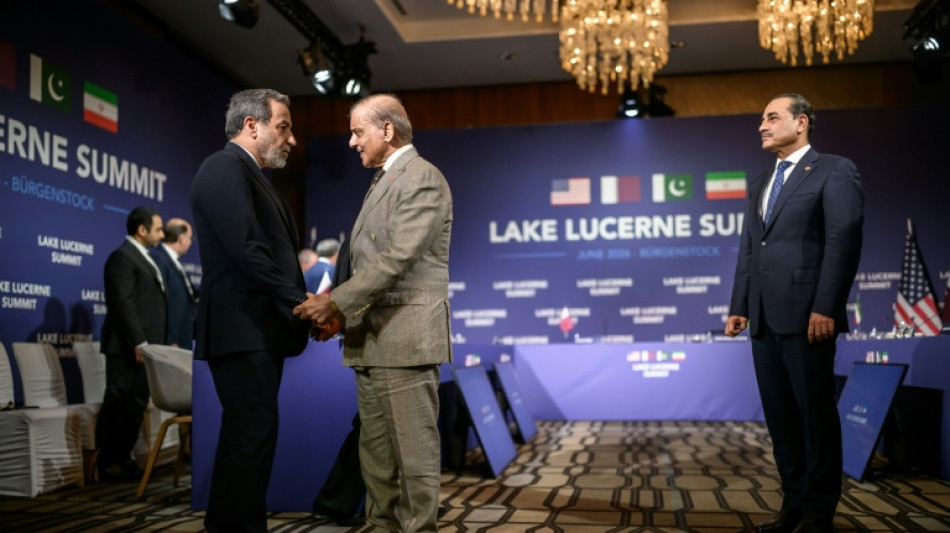
The US and Iran have signed a preliminary deal to halt the war, and concluded a first round of talks in Switzerland as part of a 60-day negotiation period to settle outstanding issues like sanctions relief and the fate of Tehran's nuclear programme.
An Iranian blockade that began early in the conflict choked off maritime traffic through the Hormuz strait -- sending global oil prices surging -- but crossings have begun to rise again since the US-Iran deal was inked.
Iran has repeatedly maintained it will retain control over the waterway, including on Tuesday, when it and Oman said in a joint statement that they would study the administration of the trade route and the costs to be charged for services provided, insisting on their sovereignty over the strait.
But US Secretary of State Marco Rubio, kicking off a regional tour, reiterated Washington's position that such an arrangement would be unacceptable.
"It's an international waterway. No country is allowed to charge tolls or fees on an international waterway," he said, adding that he believed "all the countries in this region would agree".
Tehran's top negotiator, Mohammad Bagher Ghalibaf, had earlier insisted the Strait of Hormuz "will never return" to the pre-war status quo, despite the foes agreeing to set up communication lines to keep it open.
The head of the UN's International Maritime Organization, meanwhile, said it would begin evacuating more than 11,000 sailors stranded by the Hormuz blockade in cooperation with Iran, Oman and the United States, adding it had "secured the necessary safety guarantees".
Traffic through the strait on Monday reached the highest level since the start of the war, according to two maritime tracking platforms, representing just over 40 percent of the normal peacetime level of about 120 vessels per day.
- Nuclear disagreements -
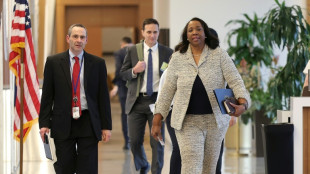
Diplomacy was in full swing on Tuesday, with Iran's president heading to mediator Pakistan, Rubio landing in the UAE for visits with Gulf allies, and Lebanon and Israel kicking off more direct talks in Washington.
But Iran denied a claim by US Vice President JD Vance that Tehran had agreed to invite International Atomic Energy Agency (IAEA) inspectors back, after Iran blocked them from nuclear sites struck by its arch foes in a 12-day war last year.
"We have not had a meeting with the director general of the IAEA, nor do we have any plans for the agency to inspect Iran's nuclear facilities damaged by the US and Zionist military aggression," foreign ministry spokesman Esmaeil Baqaei said.
US President Donald Trump, however, insisted Iran had "fully and completely agreed to highest level Nuclear inspections long into the future".
When the US joined Israel's previous war with Iran in mid-2025, it bombed nuclear facilities at Fordow, Natanz and Isfahan, including with powerful bunker-busting munitions.
The extent of the damage remains unknown despite Trump claiming they were "obliterated".
Iran's UN ambassador Ali Bahreini also told reporters "there hasn't been such a decision" to accept IAEA inspectors.
- Diplomatic whirlwind -
In addition to the UAE, Rubio plans to also visit Kuwait and Bahrain -- all attacked by Iran during the war -- to discuss the deal with Tehran and the Hormuz strait.
Comments by Rubio, an ardent Iran hawk, will be closely watched as he has largely remained out of the spotlight, with Vance taking a lead role in defending the deal.
Iranian President Masoud Pezeshkian, meanwhile, was visiting key mediator Pakistan on Tuesday with Foreign Minister Abbas Araghchi.
Araghchi and Ghalibaf also held talks in Oman with Sultan Haitham bin Tariq, who expressed hope for "a peaceful, definitive settlement", Omani state media said.
Mediators Pakistan and Qatar said both sides had agreed on a "roadmap" to reach a final agreement within the 60-day timeframe.
They agreed that four negotiating groups be set up on nuclear issues, sanctions and other matters, Iranian state media said.
- Lebanon war -
On the Lebanon front, a fifth round of negotiations between Lebanese and Israeli officials began in Washington on Tuesday in a bid to end the Israel-Hezbollah conflict there.
Fighting between Israel and Hezbollah, which drew Lebanon into the Middle East war on March 2, has repeatedly threatened to derail peace efforts. Hezbollah chief Naim Qassem again demanded a timetable for a full Israeli withdrawal from the country.
The goal of the Washington talks will be "to end the cycle of violence for good", a US State Department official told AFP.
Despite a reduction in hostilities in Lebanon, Israeli soldiers shot and killed two people in the south on Tuesday, state media reported. Israel said it had fired on Hezbollah operatives infiltrating its self-declared "security zone".
burs-smw/dc
I.Rodriguez--SFF