Iranian Kurds hunted by drones in Iraqi Kurdistan / Photo: © AFP

 London
 16 °C
16 °C

 Manchester
14 °C
Manchester
14 °C
 Glasgow
11 °C
Glasgow
11 °C
 Dublin
14 °C
Dublin
14 °C
 Belfast
14 °C
Belfast
14 °C
 Washington
 17 °C
17 °C
 Denver
17 °C
Denver
17 °C
 Atlanta
16 °C
Atlanta
16 °C
 Dallas
 22 °C
22 °C
 Houston Texas
 24 °C
24 °C
 New Orleans
22 °C
New Orleans
22 °C
 El Paso
21 °C
El Paso
21 °C
 Phoenix
22 °C
Phoenix
22 °C
 Los Angeles
20 °C
San Diego
Los Angeles
20 °C
San Diego
 18 °C
San Francisco
18 °C
San Francisco
 11 °C
Chicago
17 °C
Minneapolis
20 °C
Seattle
7 °C
Portland
6 °C
Salt Lake City
13 °C
Las Vegas
20 °C
Miami
30 °C
Jacksonville
22 °C
San Antonio
11 °C
Chicago
17 °C
Minneapolis
20 °C
Seattle
7 °C
Portland
6 °C
Salt Lake City
13 °C
Las Vegas
20 °C
Miami
30 °C
Jacksonville
22 °C
San Antonio
 23 °C
Bermuda
26 °C
Nassau
16 °C
Iqaluit
-5 °C
Yellowknife
4 °C
Anchorage
5 °C
Fairbanks
2 °C
Barrow
-2 °C
Calgary
23 °C
Bermuda
26 °C
Nassau
16 °C
Iqaluit
-5 °C
Yellowknife
4 °C
Anchorage
5 °C
Fairbanks
2 °C
Barrow
-2 °C
Calgary
 -1 °C
Edmonton
15 °C
Winnipeg
8 °C
Goose Bay
13 °C
Halifax
11 °C
Boston
12 °C
Ottawa
7 °C
Toronto
15 °C
Detroit
15 °C
Cleveland
15 °C
New York
15 °C
Baltimore
16 °C
Philadelphia
16 °C
Nuuk (Godthåb)
-1 °C
Hong Kong
-1 °C
Edmonton
15 °C
Winnipeg
8 °C
Goose Bay
13 °C
Halifax
11 °C
Boston
12 °C
Ottawa
7 °C
Toronto
15 °C
Detroit
15 °C
Cleveland
15 °C
New York
15 °C
Baltimore
16 °C
Philadelphia
16 °C
Nuuk (Godthåb)
-1 °C
Hong Kong
 27 °C
Singapore
30 °C
Melbourne
28 °C
Canberra
10 °C
Adelaide
16 °C
Darwin
28 °C
Perth
13 °C
Fort Worth
22 °C
Honolulu
27 °C
Singapore
30 °C
Melbourne
28 °C
Canberra
10 °C
Adelaide
16 °C
Darwin
28 °C
Perth
13 °C
Fort Worth
22 °C
Honolulu
 24 °C
Sydney
19 °C
Johannesburg
28 °C
Dubai
35 °C
Mumbai
34 °C
Zürich
13 °C
Tokyo
20 °C
Seoul
20 °C
Delhi
24 °C
Beijing
15 °C
Riyadh
36 °C
Prague
12 °C
Pennsylvania
13 °C
Valletta
27 °C
Manama
35 °C
Warsaw
13 °C
Stockholm
10 °C
24 °C
Sydney
19 °C
Johannesburg
28 °C
Dubai
35 °C
Mumbai
34 °C
Zürich
13 °C
Tokyo
20 °C
Seoul
20 °C
Delhi
24 °C
Beijing
15 °C
Riyadh
36 °C
Prague
12 °C
Pennsylvania
13 °C
Valletta
27 °C
Manama
35 °C
Warsaw
13 °C
Stockholm
10 °C
When a deafening drone tore a hole in her roof in northern Iraq, Iranian Kurd Amine Poursaid, gripped by fear of another attack, packed her family's belongings and prepared to escape.
She is one of thousands of Iranian Kurds opposed to the Islamic republic and who are living in exile in neighbouring Iraq. For years, they were safe, but since the Iran war began, their bases have become targets.
"Everything came crashing inside," said Poursaid, the wife of an Iranian opposition party member.
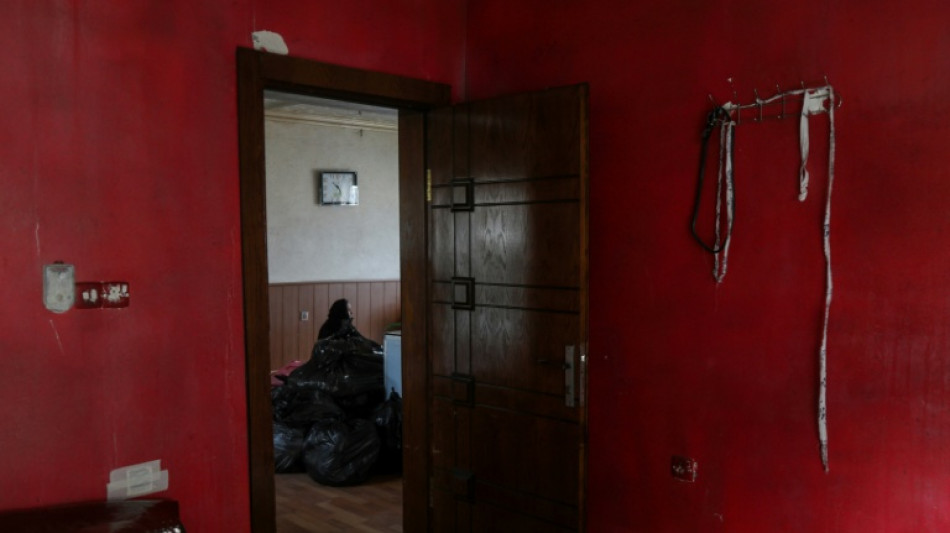
It took her a moment to realise what had happened on Thursday night: a drone had struck her yard, sending glass shards across her house in the town of Soran, nestled in the Zagros mountains near the Iranian border.
"I am still trembling," said the 55-year-old mother of four, while busy packing her family's belongings.
Iraq's autonomous Kurdistan region has been drawn into the Middle East conflict, with Tehran targeting Iranian Kurdish militants who have long maintained bases there.
Poursaid's husband Taha Karimi is a member of the Democratic Party of Iranian Kurdistan (PDKI), whose positions have been struck several times in the past week, including on Thursday.
Poursaid, still distraught, said that the family is now leaving the area after their neighbours, fearing further strikes, were reluctant to rent to them.
Karimi, 58, told AFP he believes his house was deliberately targeted.
"We were sitting at home when we heard a loud bang. I rushed outside only to find that a drone had struck the yard," he said.
"It's a miracle we survived."
Karimi said that, after inspecting the scene, security forces told him the drone appeared to have been guided by GPS and suggested that someone might have placed a tracker on his truck.
"Anything can be expected from Iran. They might target us again."
- 'Suicide' -
A former political prisoner in Iran, Karimi said he hopes for regime change that can only be achieved with ground forces.
While the US has ruled out the possibility of sending American troops into Iran, there have been reports suggesting Iranian Kurdish militants in Iraq could enter the fray.
President Donald Trump has ruled this idea out, and some Kurds have said they would only enter Iran in the event of a resurgence of the popular uprising there.
Kurdish parties "must be united and speak with one voice for this struggle to succeed," Karimi said, calling the Islamic republic a "virus that has become deeply entrenched".
Iran has threatened to target "all the facilities" in Iraq's Kurdistan if militants cross into Iran from there.
Iranian Kurd journalist Saleh Babashekh has been living in Erbil, the capital of Iraq's Kurdistan, for 36 years.
He now fears for Iraqi Kurdistan after US bases there became a main target for drones attacks.
"Of course, everyone is afraid of drones and missiles," Babashekh, 58, told AFP.
"But if the Kurdistan region were to become involved in the war, it would be suicide," he warned.
"I am part of this community. Authorities here protected me, and if they are in danger, then so am I."
Mohsin Khalidi, 63, an Iranian Kurdish poet who has lived in Erbil since 2004, said regime change is a "common desire" among Kurds, but their forces alone cannot achieve it.
"Iran has missiles, drones, bombs, and it is not afraid to kill," he said.
"The regime must fall, but only with a precise plan and the backing of great powers."
For now, Kurds must "wait for events to unfold," Khalidi said.
But even if the Islamic Republic falls, Khalidi said he would never leave Erbil.
"I will stay in Erbil until the last day of my life."
U.Campbell--SFF